Master Plaster
SETTING THINGS STRAIGHT
Join Us and Begin Your Mastery of Casting Today
WELCOME
Mission Statement
Our goal is to advance excellence in orthopaedic casting through structured, evidence-based education and practical skill development. We are committed to empowering clinicians with the knowledge, technique, and professional confidence required to deliver the highest standards of fracture management.
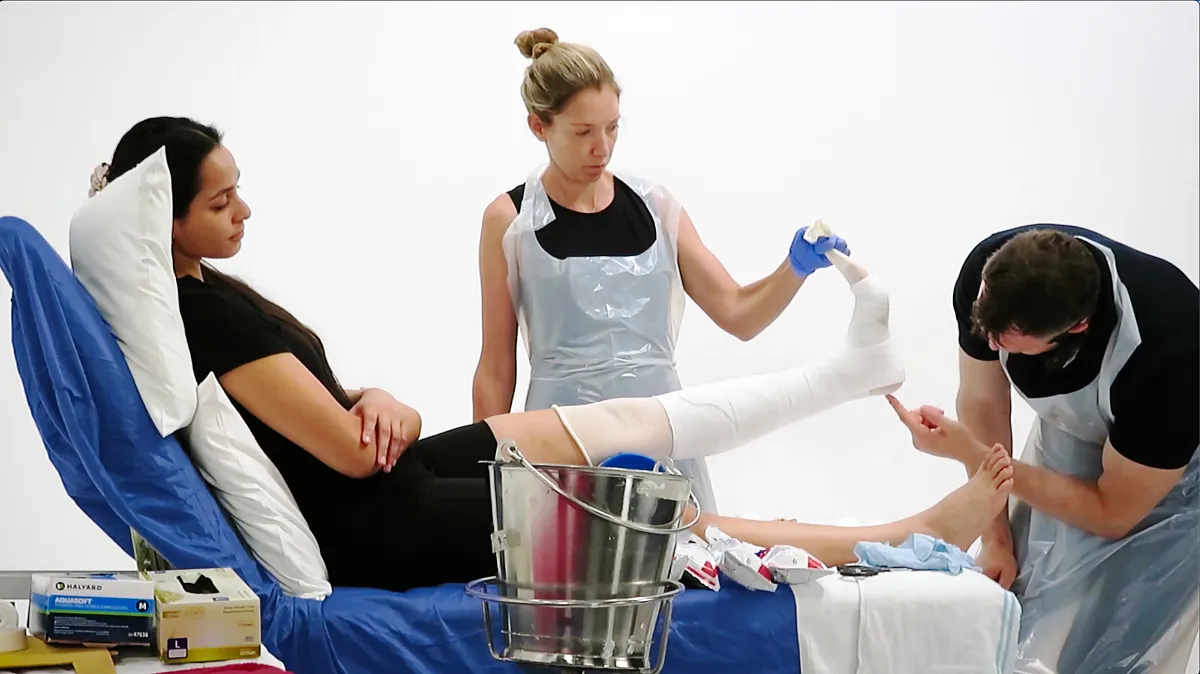
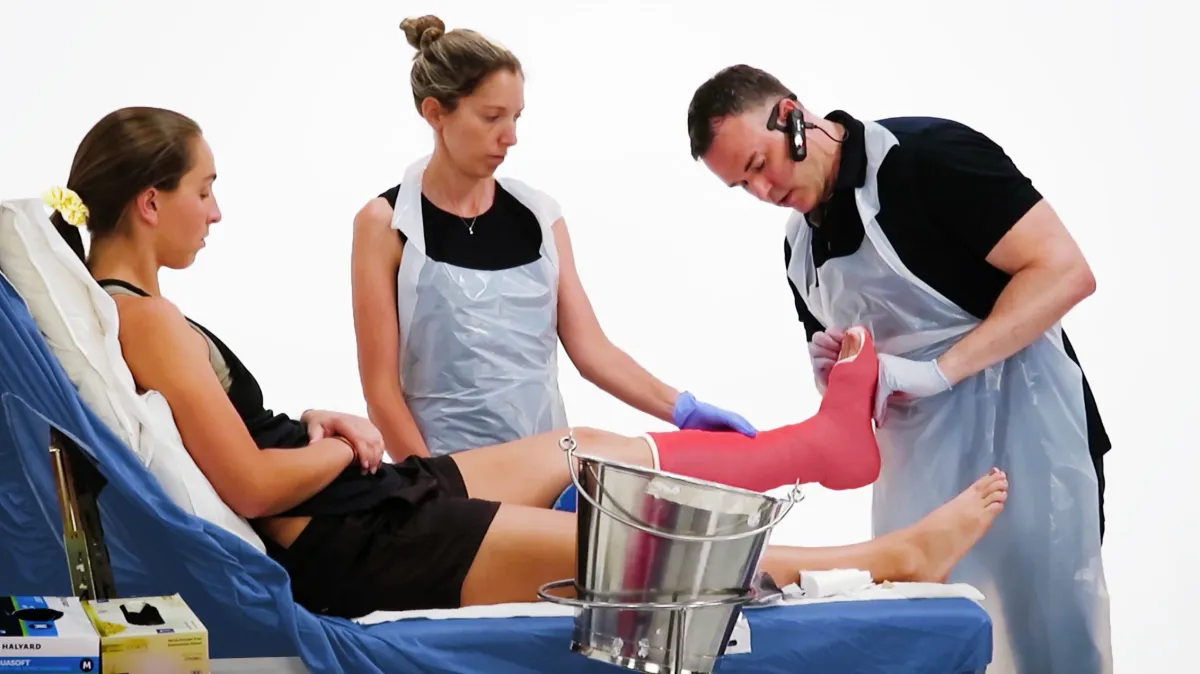
Short Leg Cast
Avoiding Pressure areas
The Great Plaster Catastrophe of ’93
“I Came, I Cast, I Cringed”
Every clinician remembers their first cast. Mine, however, is burned into memory with cinematic clarity. I began my journey as a new graduate at a major teaching hospital in Sydney. My earliest memory of casting still lives vividly in my mind. I was on a three-month secondment in a small rural hospital in southern New South Wales. The senior therapist there was… well, let’s just say, not exactly the nurturing, hand-holding type.
One day, she informed me that an 81-year-old lady was attending the fracture clinic with a fresh Colles’ fracture. “She needs a backslab,” she said flatly. “You’re doing it.”
No discussion. No “Have you ever done one before?” Just go do it.
Now, like many junior physios, my casting experience at that point was limited to theory and blind optimism. The task felt monumental, she may as well have told me to paint the Sistine Chapel ceiling. Start from the top, and by the way… there’s no ladder.
So, I did the cast. And oh, what a masterpiece of mediocrity it was. That poor woman, she’d already had a terrible day: first the fall, then the fracture, then the hours in emergency… and now, she was rewarded with a fresh accessory, a plaster brick, courtesy of me.
Strangely enough, later that day my senior colleague reported that the doctor had said, “Good job on that plaster.” Now, compliments from her were rarer than hen’s teeth, so I took it as genuine. But in hindsight, it probably said more about their benchmark for success than the quality of my craftsmanship.
From that day onward, I made a promise to myself, never again would I feel that sickening guilt of adding insult to injury (literally). I was determined to master the art of casting.
Years later, after running countless fracture and specialist clinics (a true baptism of fire), attending workshops, watching skilled colleagues, and occasionally fielding complaints, I can say with confidence that casting is a craft worth learning properly.
So, for those of you new to it, take heart. I’ve been in your shoes (and plastered stained clothes). Don’t be the one winging it and hoping for the best. Be the clinician who walks in, spots a dodgy cast from a mile away (usually done in ED), and reassures your patient:
“Let’s get you something better.”
Not only will you say it with confidence, you’ll mean it. And you’ll deliver.
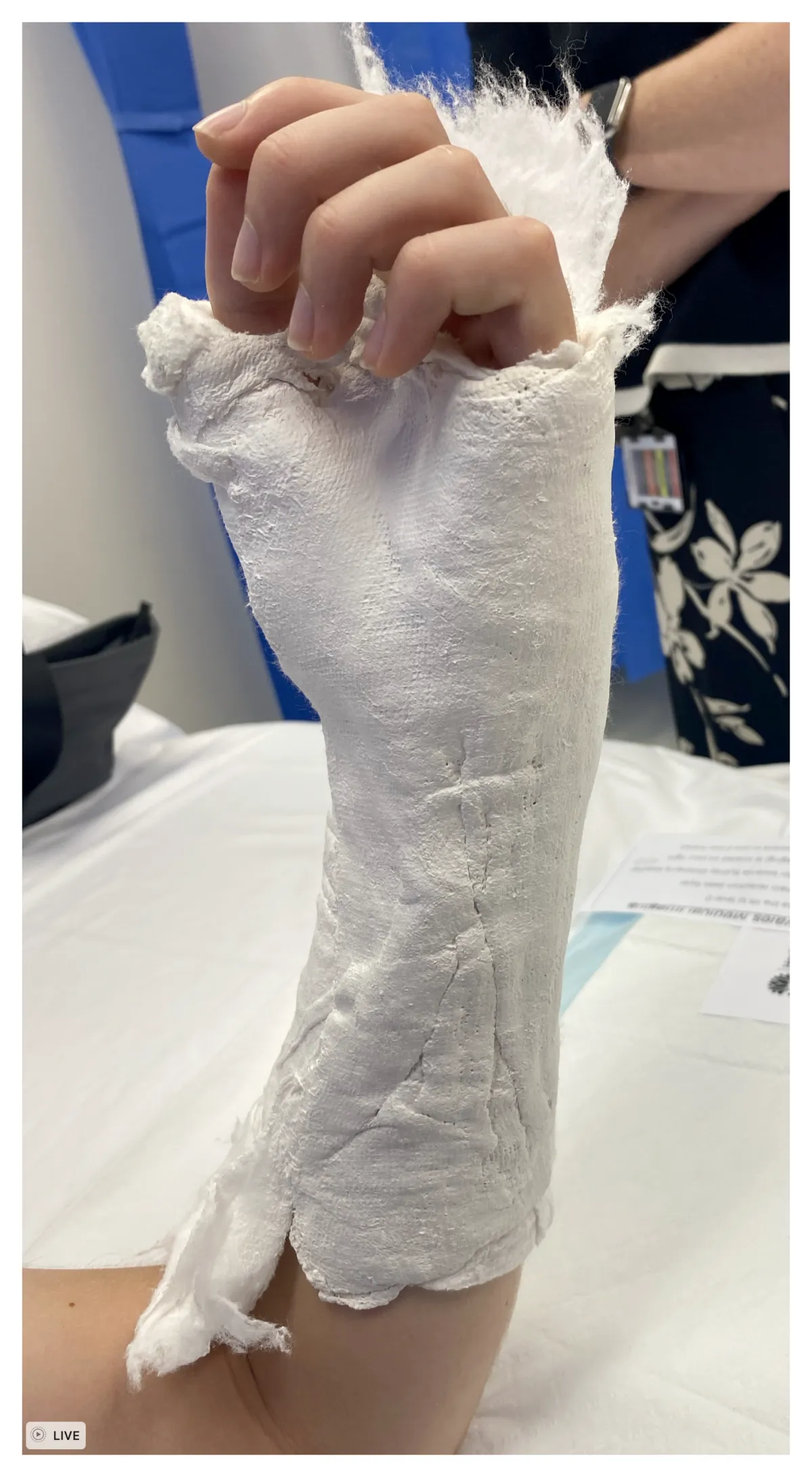
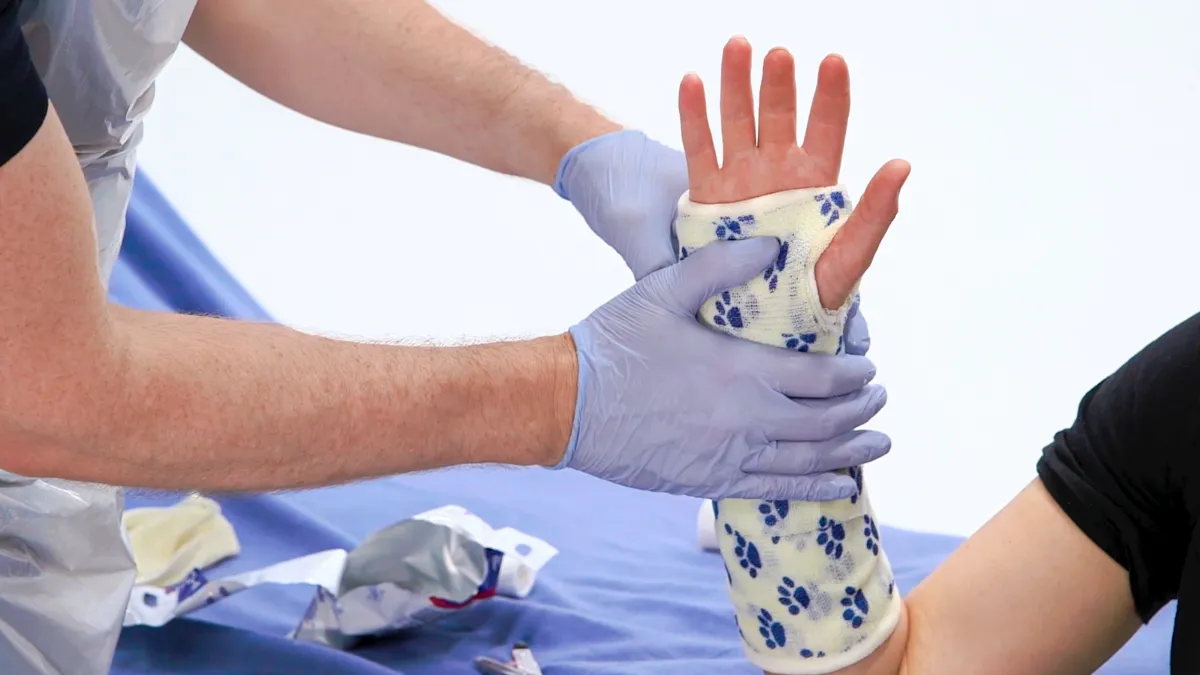
ANATOMY
of the perfect cast
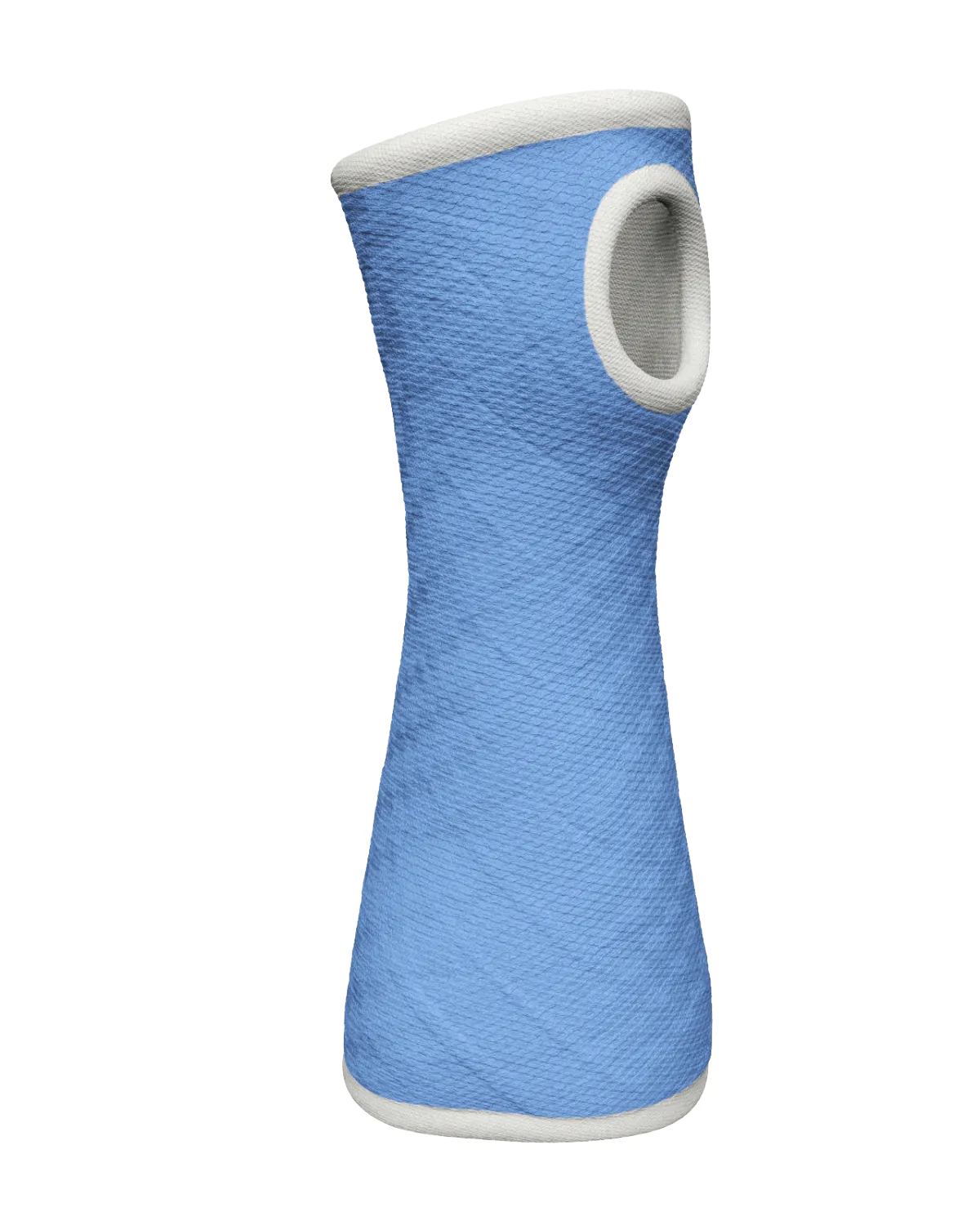
The principles of fracture management are foundational concepts that guide the effective treatment of broken bones to ensure proper healing and function. These principles apply across most types of fractures, whether treated conservatively or surgically. The core principles are:
Correct Alignment
The limb must be positioned in anatomical or functional alignment before and during casting.
Purpose: Ensures proper bone healing and joint function; prevents malunion or stiffness.
Tip: Always check alignment visually and palpably before the cast sets.
Adequate Padding
Soft, even layers of padding are applied beneath the cast.
Purpose: Protects bony prominences, prevents pressure sores, and allows for mild swelling.
Tip: Avoid wrinkles or uneven layers — these create pressure points and discomfort.
Uniform Moulding
The cast should be gently moulded using three-point pressure principles to support fracture reduction.
Purpose: Maintains fracture alignment and stability.
Tip: Mould with the palms (not fingers) while the material is still soft to create smooth contours.
Smooth Finish
Outer surfaces should be neat, even, and well-trimmed.
Purpose: Reduces snagging, improves durability, and gives a professional appearance.
Tip: Fold back padding neatly at the edges and smooth down any rough areas while setting.
Appropriate Tightness
The cast must be snug but not constrictive.
Purpose: Prevents movement that could displace the fracture, but allows adequate circulation.
Tip: Always check capillary refill and patient comfort before discharge.
Functional Positioning
Joints should be immobilised in a functional position (e.g., wrist in slight extension, elbow at 90°, ankle at 90°).
Purpose: Optimises function during healing and minimises post-cast stiffness.
Tip: Always consider the “position of safety” for the region being casted.
Correct Length and Coverage
Casts should extend only as far as necessary to immobilise the fracture and adjacent joints.
Purpose: Provides stability without unnecessarily restricting movement or causing pressure.
Tip: Check standard anatomical landmarks for each cast type (e.g., below knee, above elbow).
Patient Comfort and Education
The final and often most overlooked element.
Purpose: Ensures the patient understands cast care, warning signs (e.g. swelling, numbness), and follow-up needs.
Tip: A perfect cast technically means nothing if the patient is unsafe or anxious about managing it.
CRAFT YOUR EXPERTISE
Join Our Casting Course
Who is this course for?
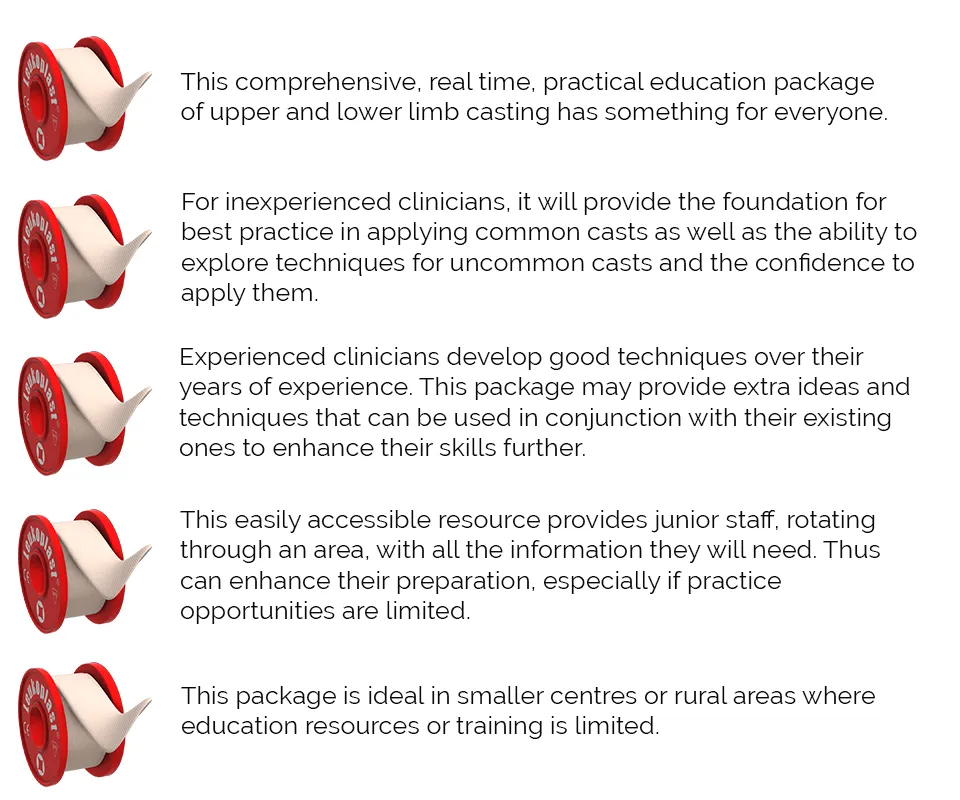
· Master Plaster: Setting Things Straight, is a versatile resource designed for a broad range of healthcare professionals. Whether you are just beginning your clinical journey or are a seasoned practitioner, this course offers valuable guidance, skills, and insights to support safe, effective orthopaedic casting.

Training Clinicians

Junior Staff

Experienced Clinicians
· Delivers a strong foundation for clinicians new to casting. It introduces best-practice techniques for commonly used casts and provides step-by-step guidance for more complex or less familiar applications. Clear explanations and practical tips help build confidence, especially in settings where hands-on opportunities are limited.
Junior staff rotating through clinical areas where casting is required, this easy-to-follow guide consolidates essential knowledge and prepares them to perform safely and competently in a short period of time.
Experienced practitioners develop excellent techniques over years of practice, Master Plaster offers additional ideas, refinements, and alternatives that can be integrated into their existing approach. It encourages continued growth and reflective practice, making it a valuable tool for professional development and skill enhancement.
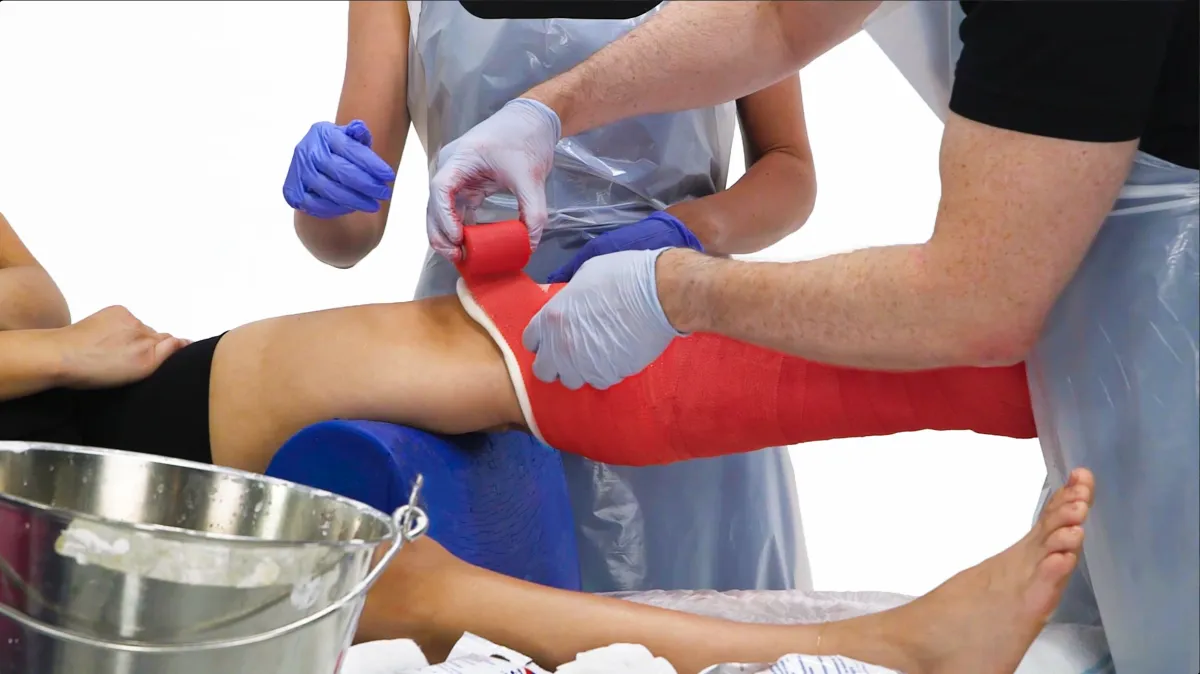
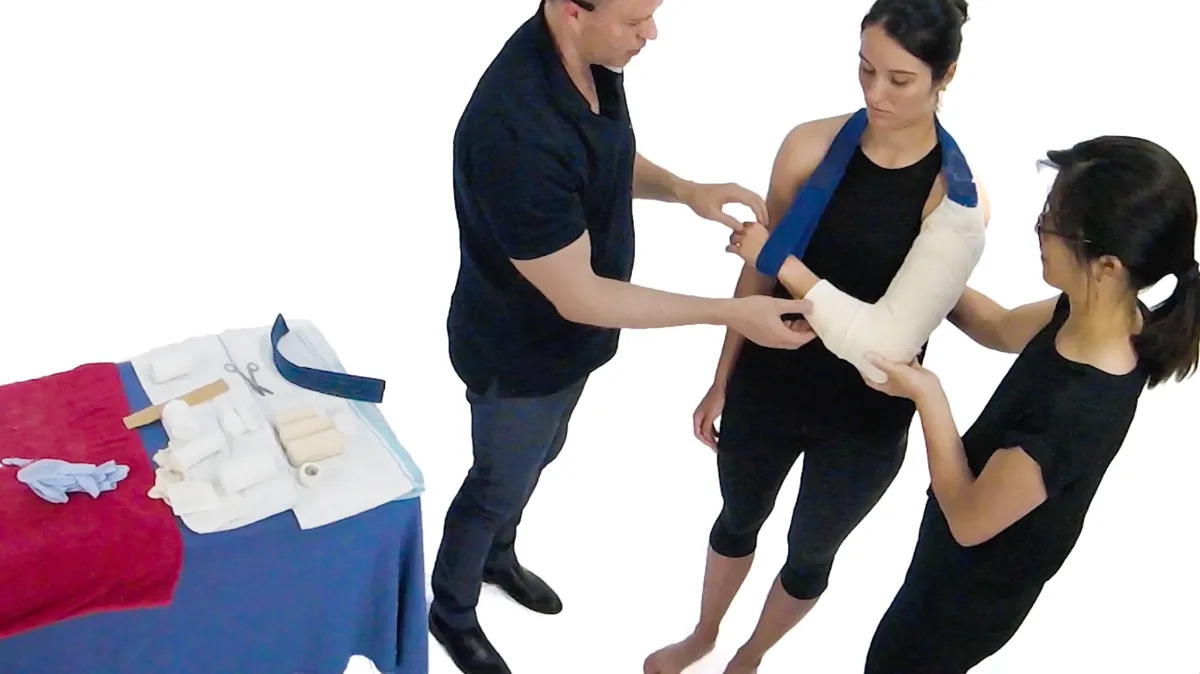
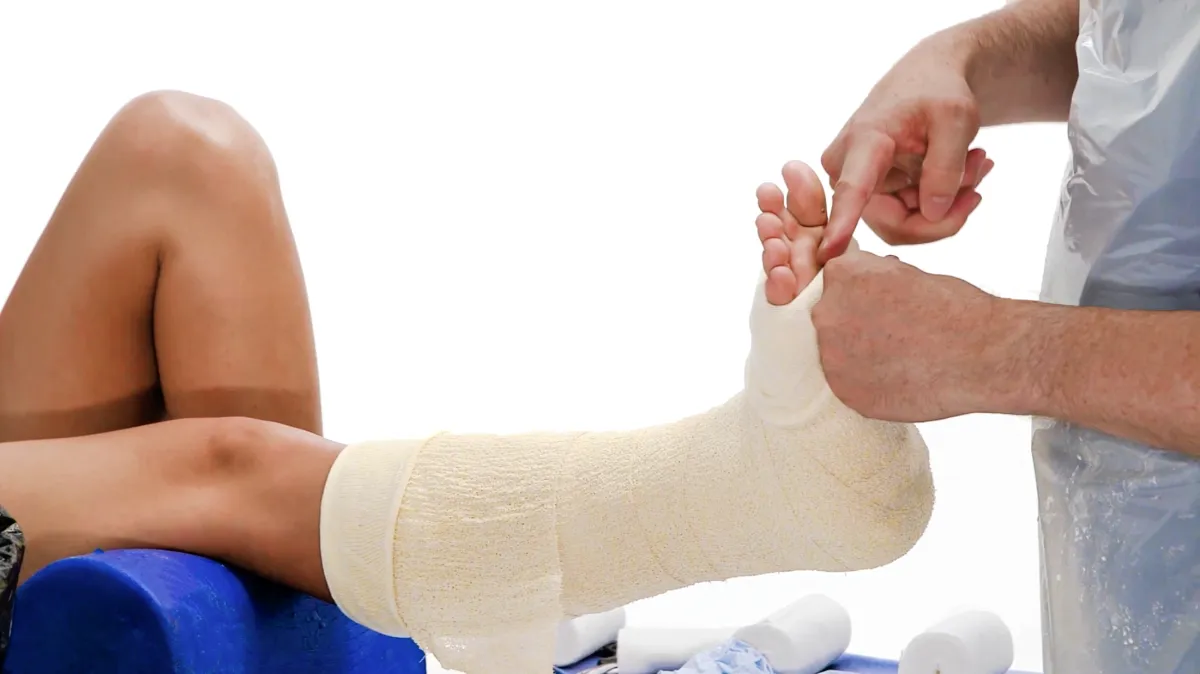
For Example
Students
Casting education for physiotherapy, nursing, and medical students is often brief, inconsistent, or varies depending on placement and institution. Master Plaster fills these gaps by offering comprehensive, accessible instruction in orthopedic casting techniques. It provides students with the practical knowledge and visual clarity needed to feel confident and prepared from their first day on the ward.
For Example
Doctors, Physiotherapists, Nurses, Plaster Technicians
Whether you’re beginning your career or working in high-pressure clinical environments, this resource provides a complete guide to orthopaedic casting practice. It breaks down complex techniques into clear, manageable steps and enhances theoretical learning with real-world visuals and explanations. This can also contribute to Continuing Professional Development requirements.
For Example
Emergency Department Clinicians
In the dynamic, high-paced world of emergency medicine, time is critical and confidence matters. Master Plaster supports ED teams with detailed demonstrations, clinical reasoning, and visual instruction that refresh and strengthen casting skills. It’s ideal for use as a point-of-care reference or for ongoing professional development.
EDUCATION HUB
Take a Peek
Master Plaster Intro: Get a sence of how Master Plaster can help you refine your skills
Course Goals
TUTORIALS
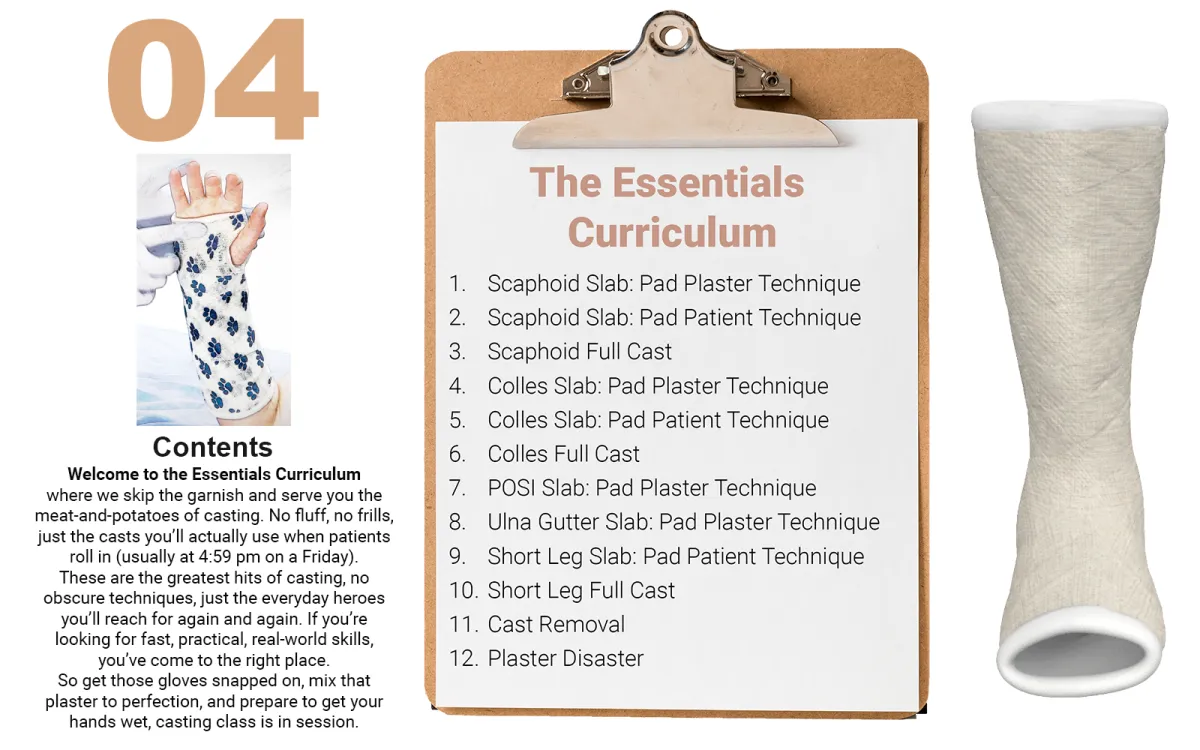
Course Curriculum
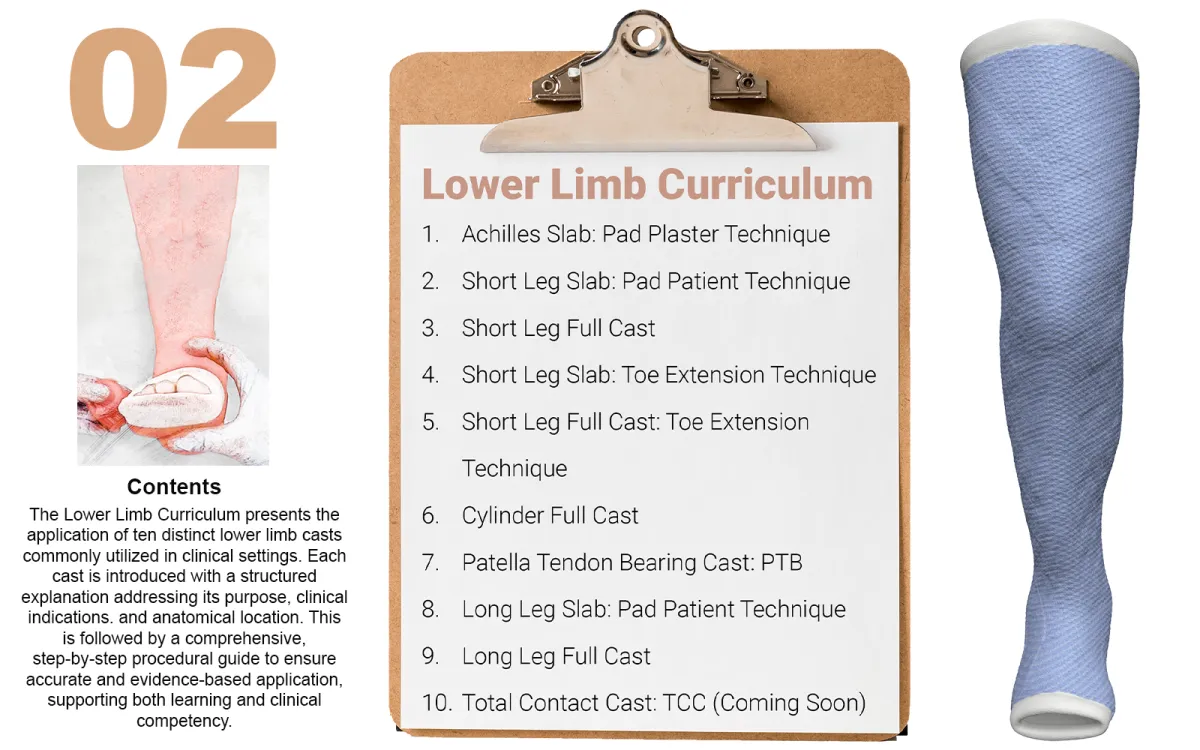
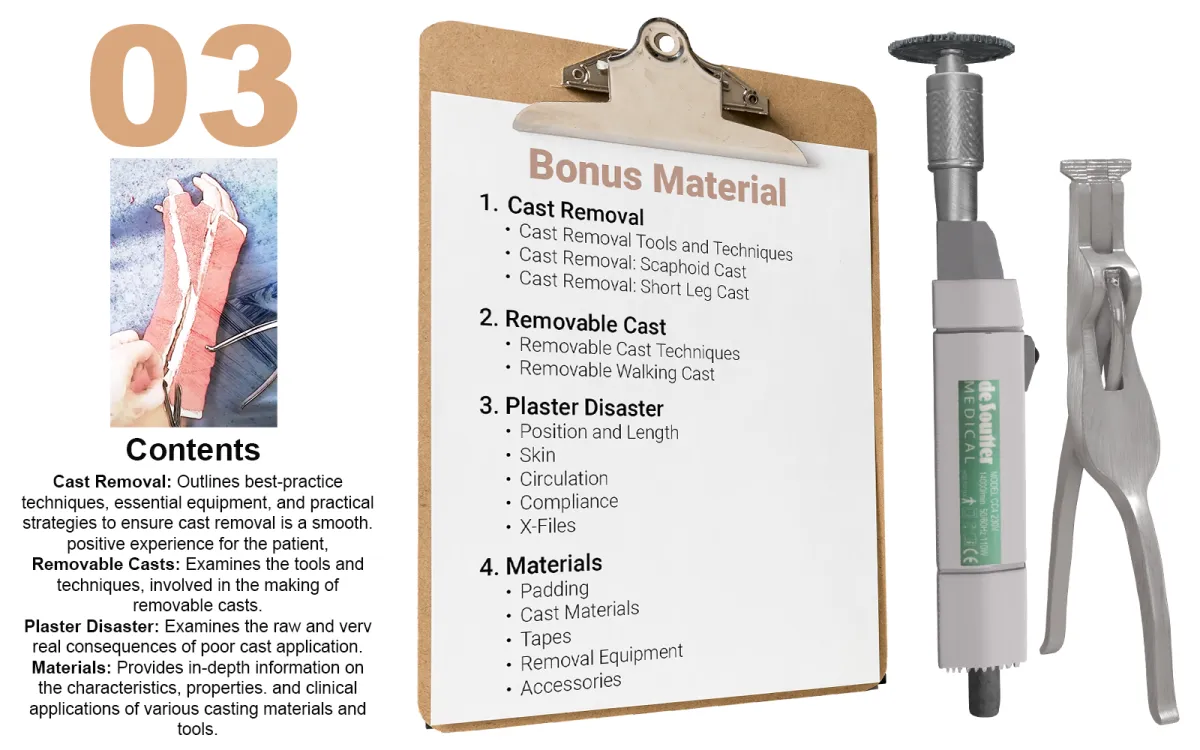
JOIN NOW
Watch Our Tutorials
This educational series was developed to standardise and modernise casting instruction, combining visual demonstrations, detailed background information, and structured assessment. It provides institutions and individuals with a reliable foundation in casting and immobilisation principles.
Free Preview
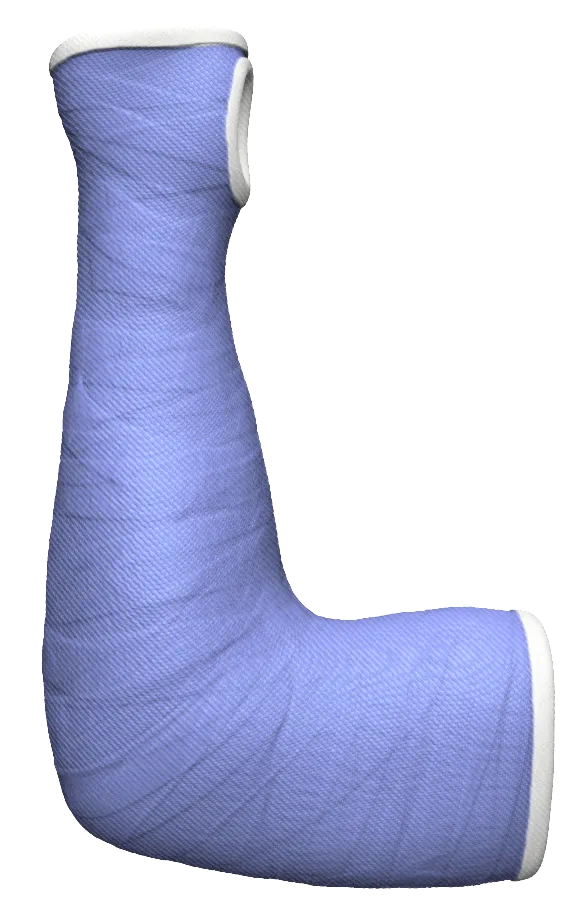
Short Arm Full Cast
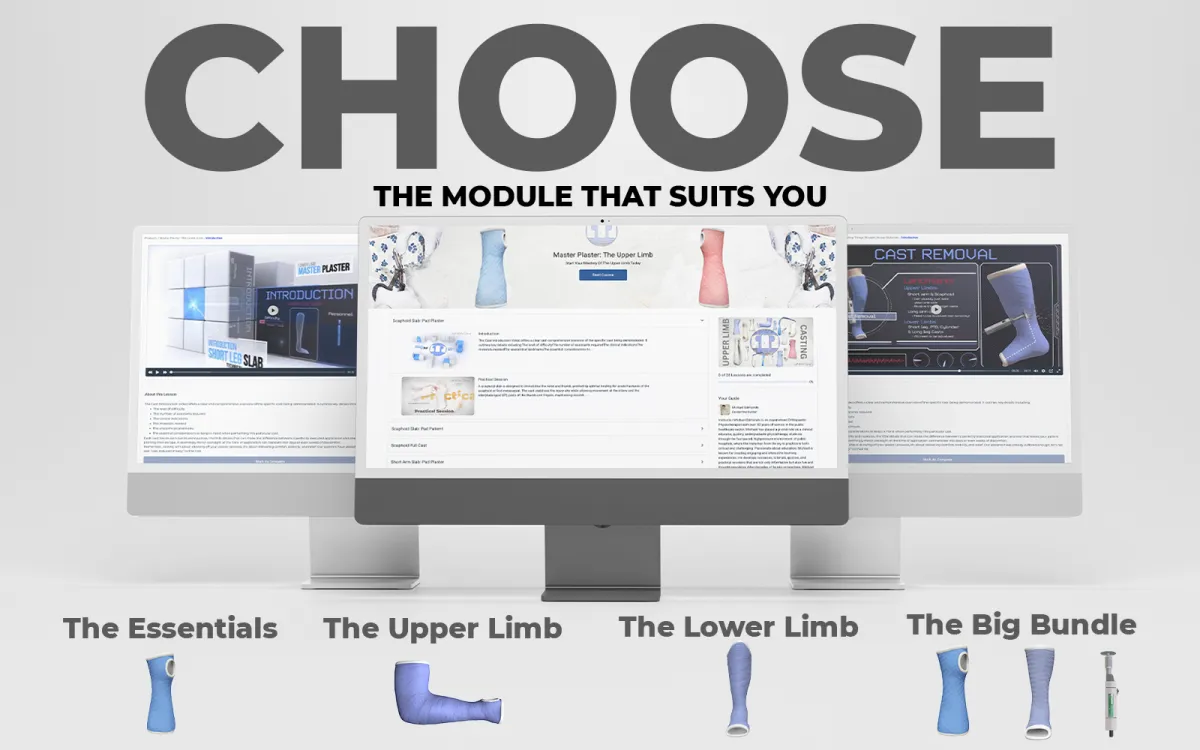
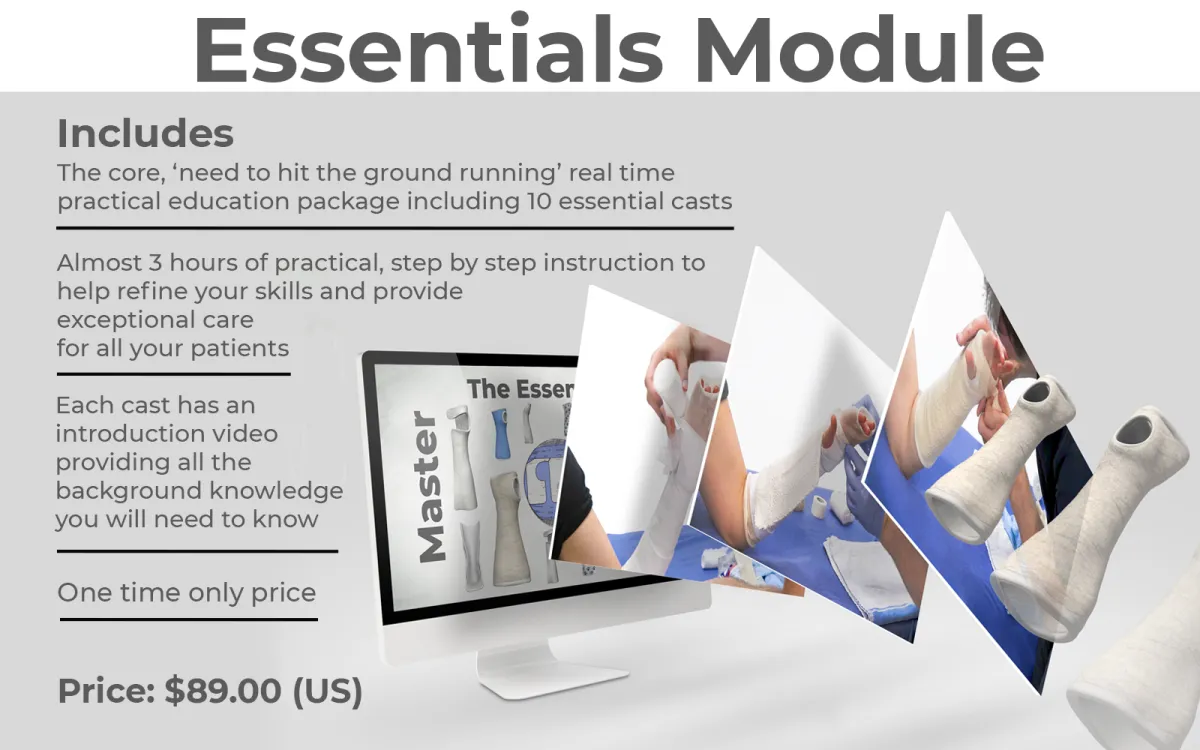
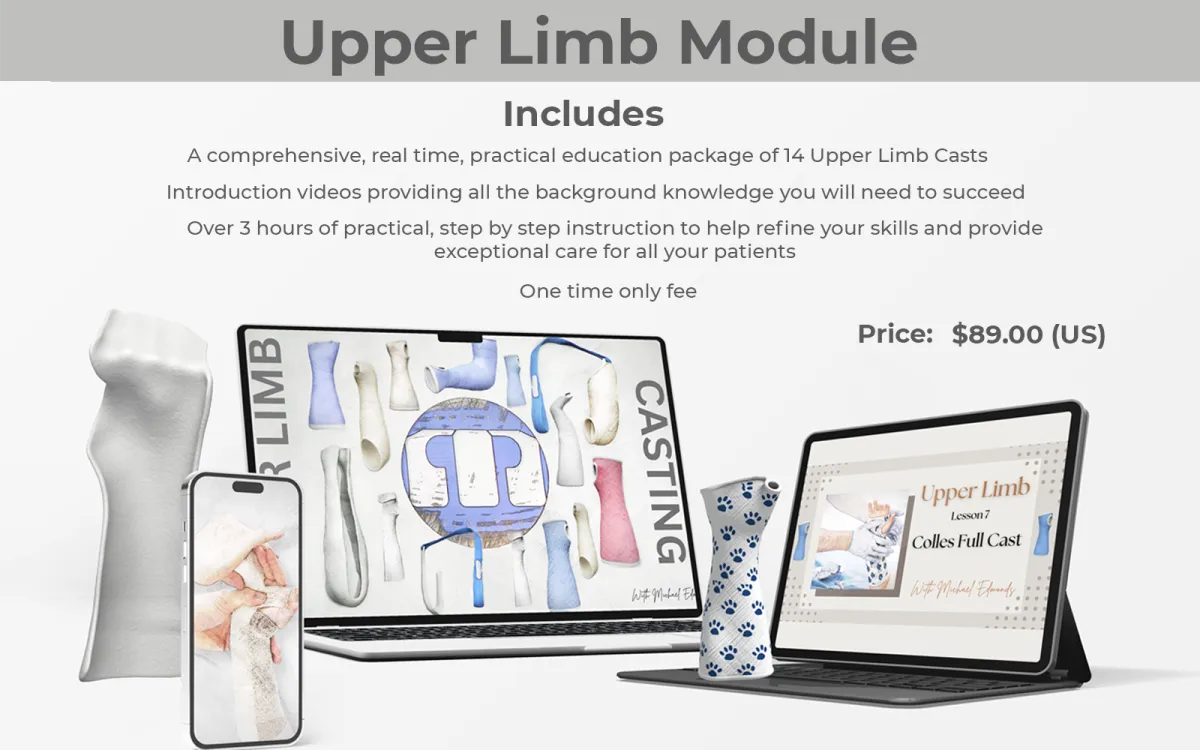
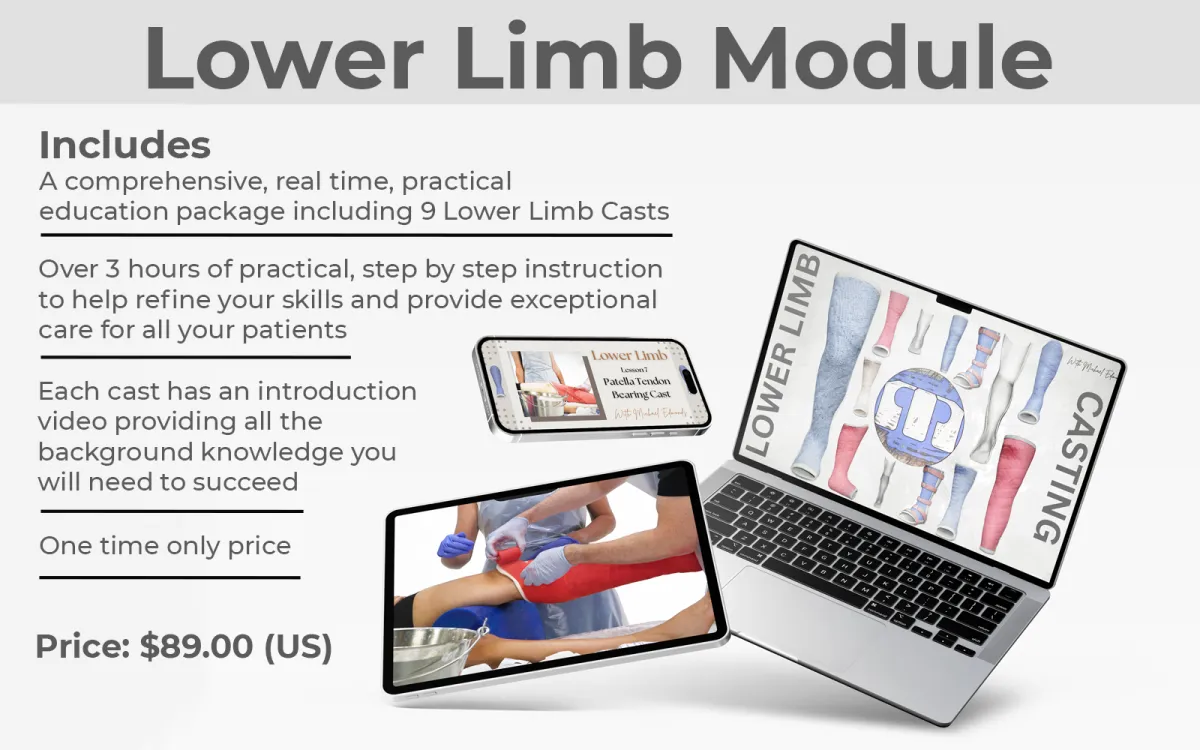
Membership Options
Choose something that suits your needs
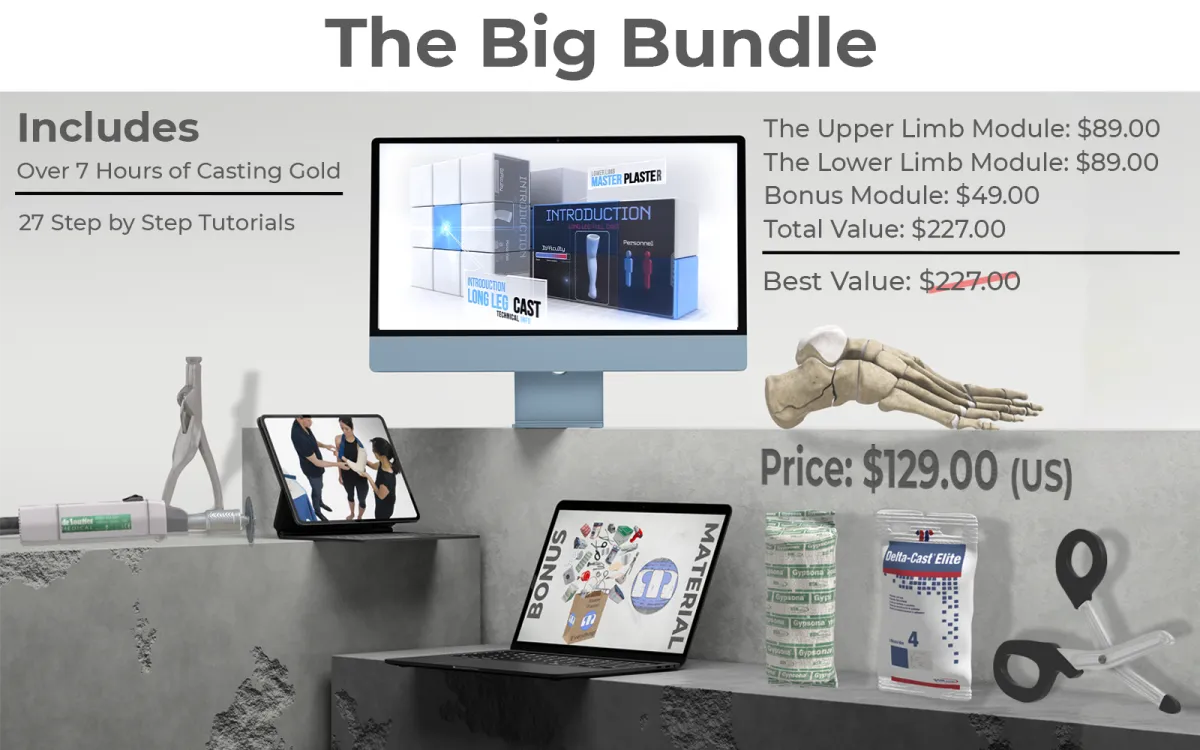
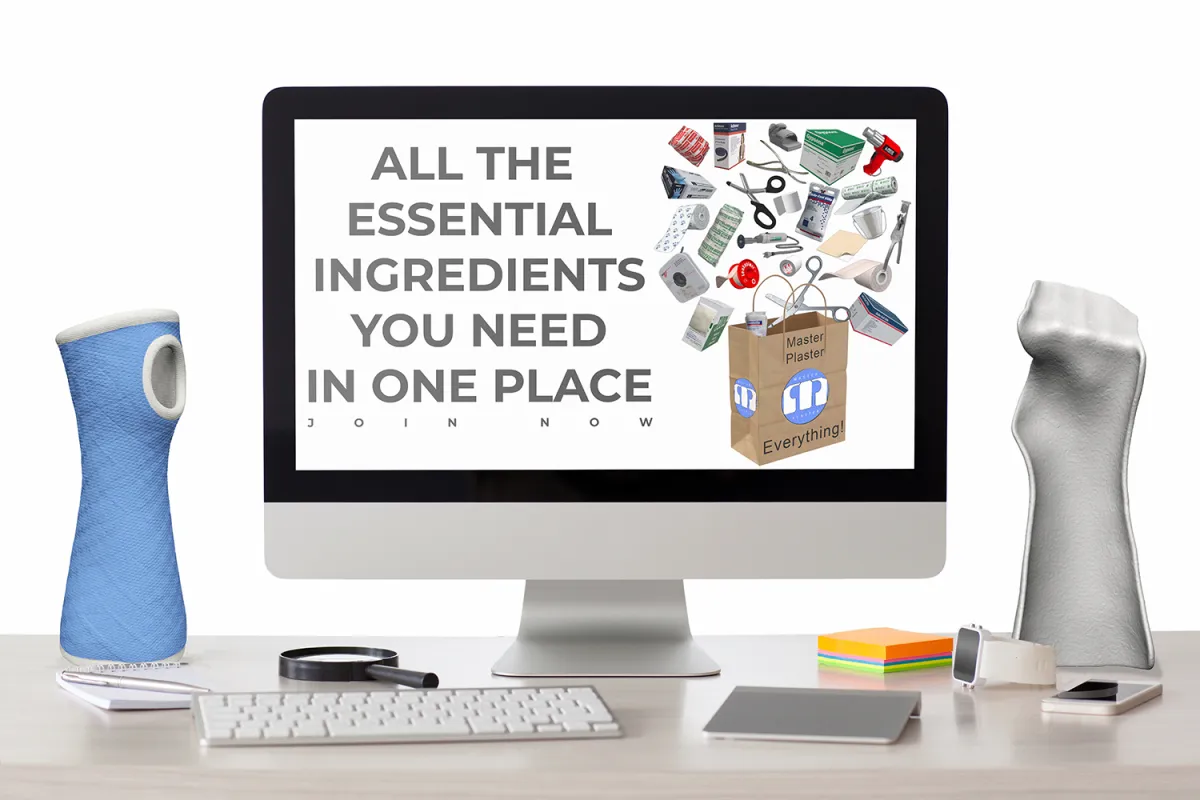
EXPERIENCE
Improve Your Casting
'Good casting is both an art and a science. Understanding anatomy, fracture mechanics, and immobilisation principles is essential, but so is the hands-on craftsmanship and patient care behind every application.'
- Michael Edmonds
THE BOOK
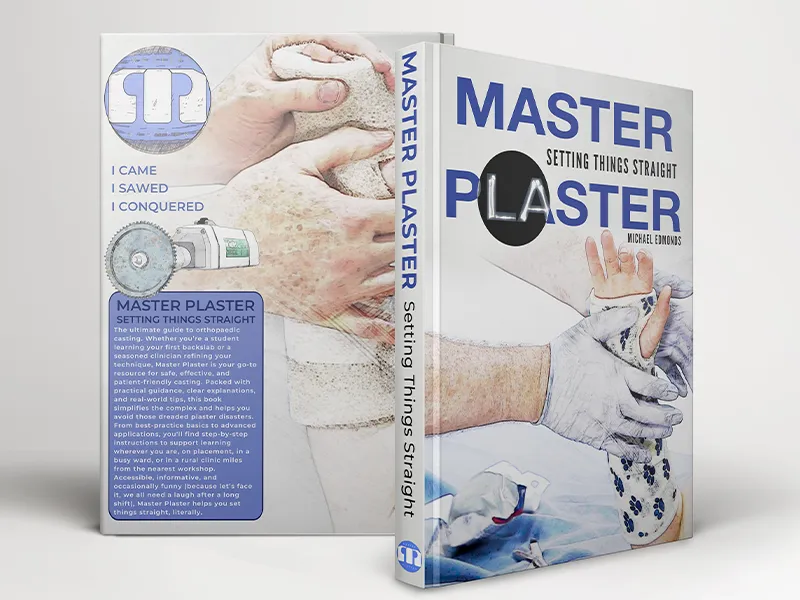
Meet Your Casting Companion
Our experienced ballet instructors bring passion and expertise in various styles, offering personalized guidance to help you grow with confidence and artistry.
Your Secret Weapon
See the Benefits for Yourself
The Perfect Companion to the Video Tutorials
Includes:
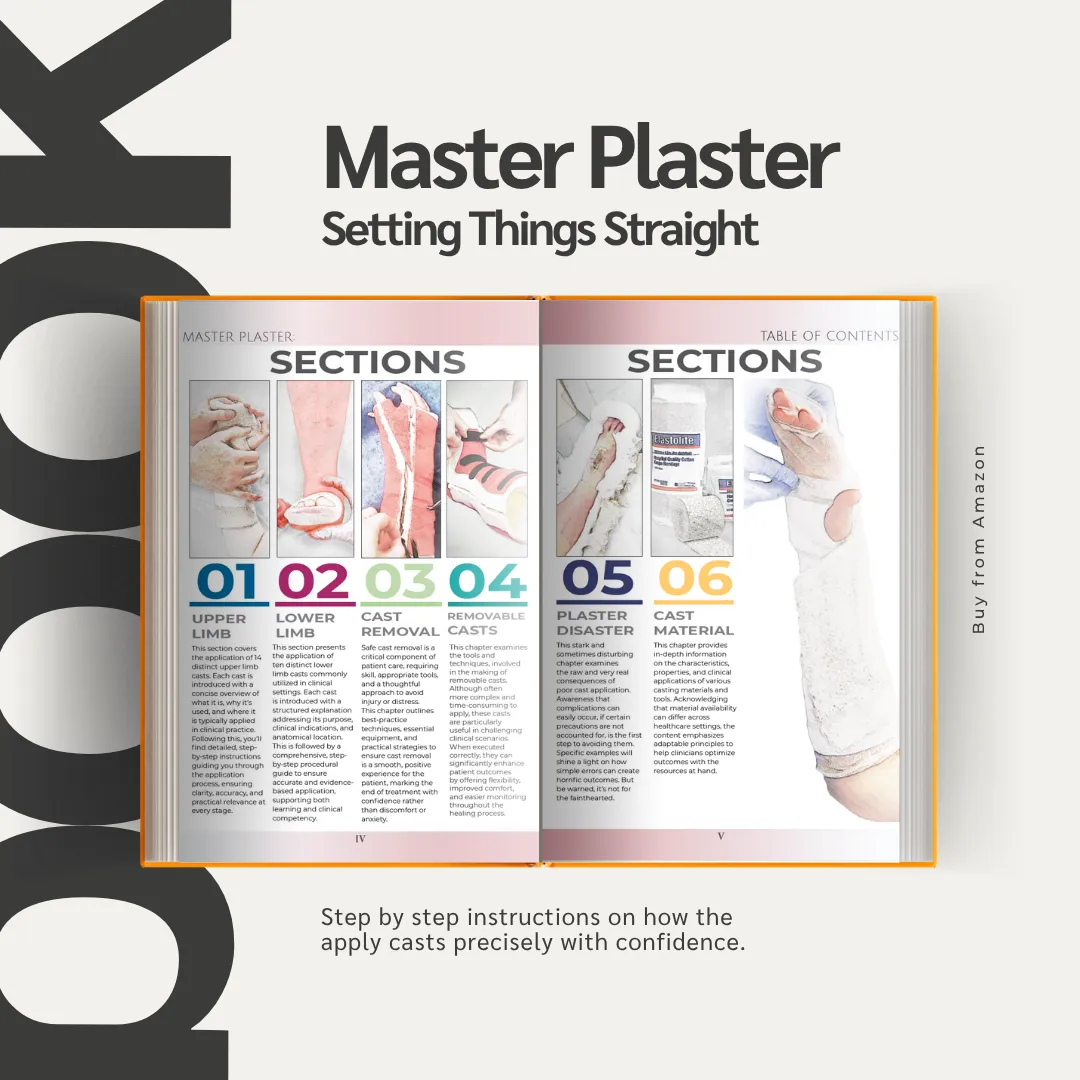
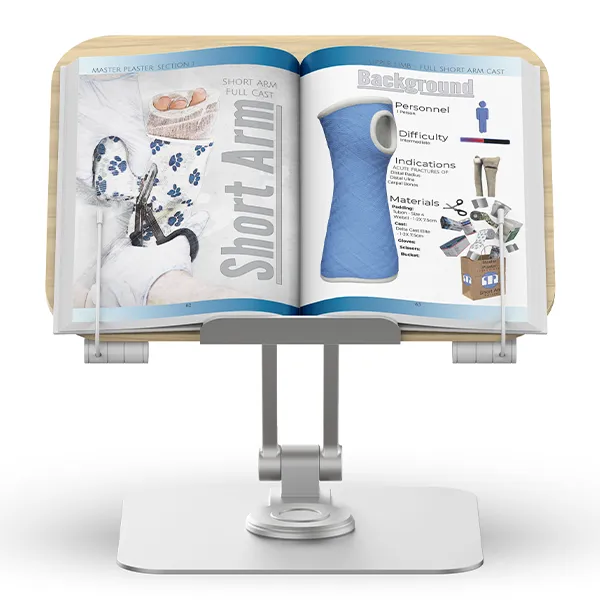
400 pages jam packed full of step-by-step instructions.
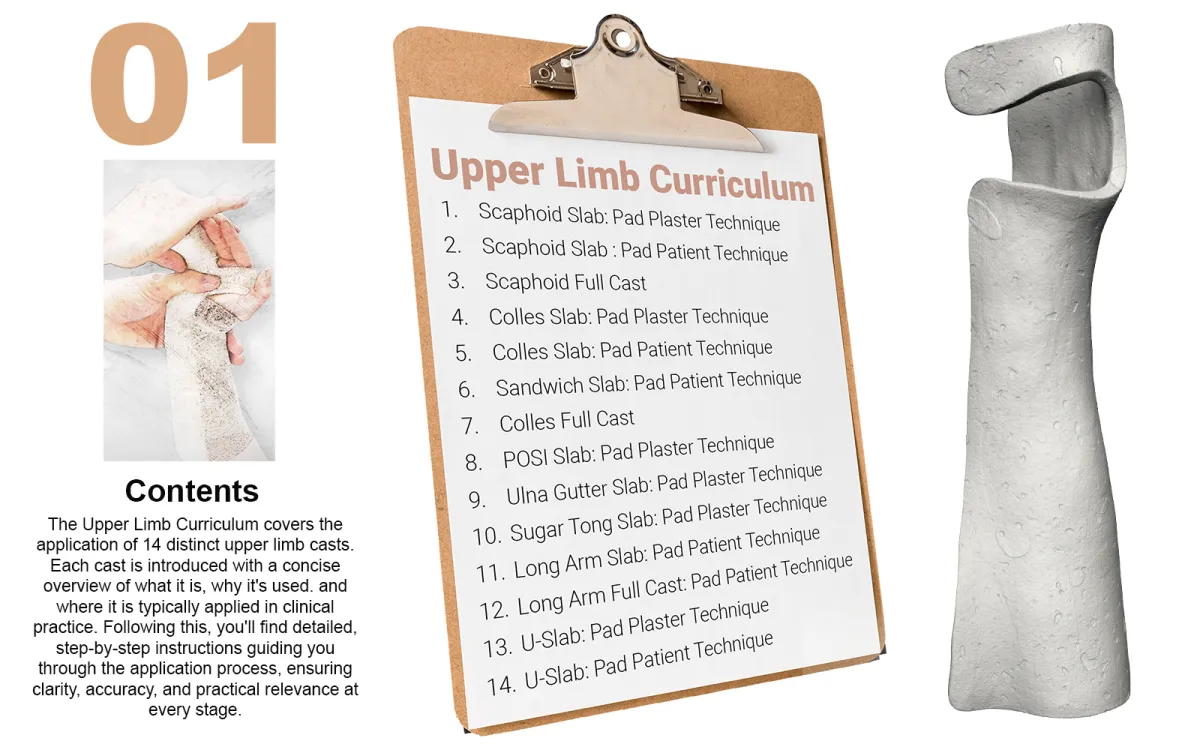
14 tutorials on cast application for the Upper Limb.
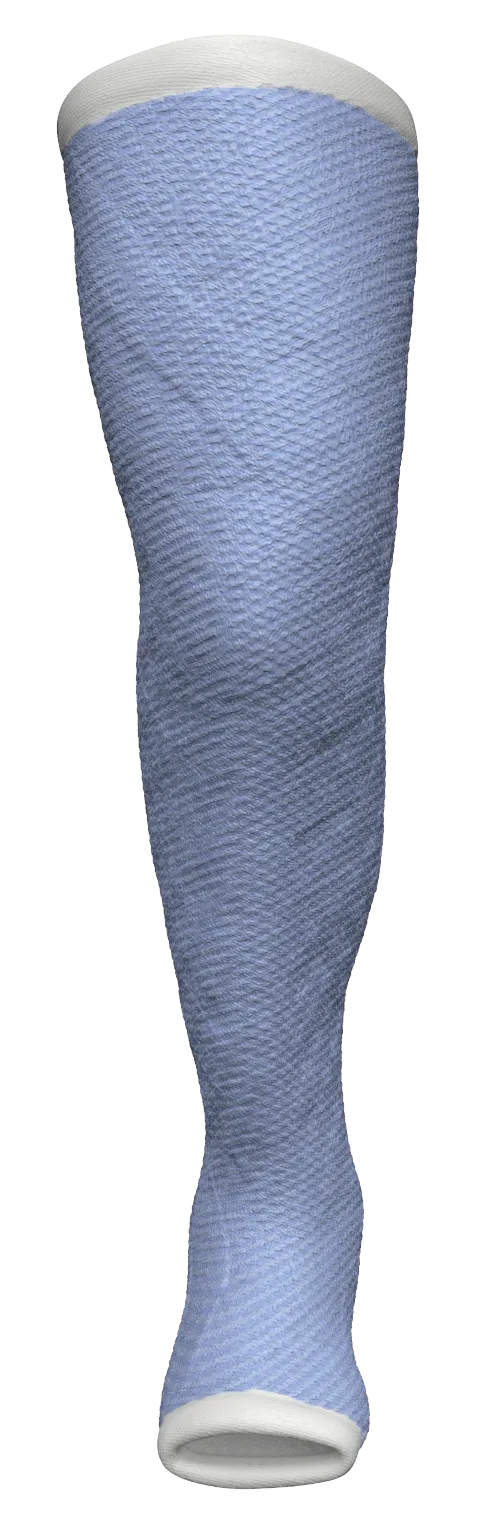
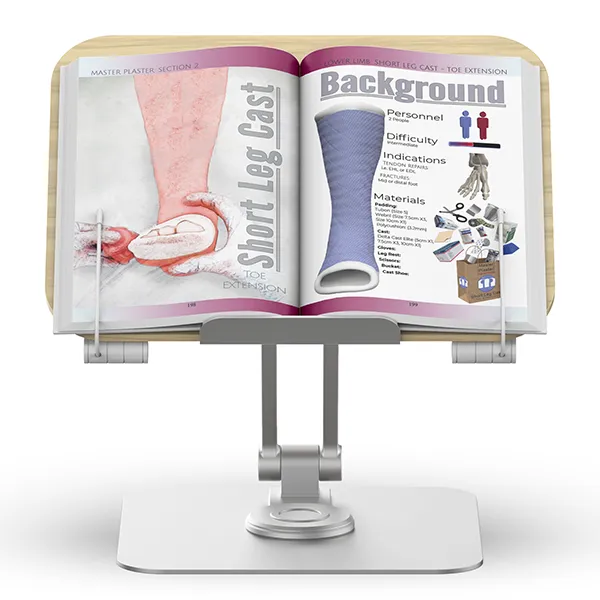
10 tutorials on cast application for the Lower Limb.
(including a comprehensive chapter on Total Contact Casts)
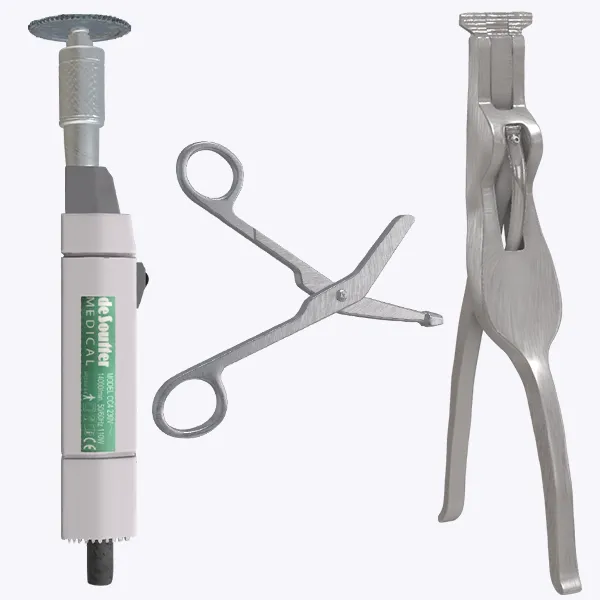
Instructions on Cast Removal and Removable Casts.
Helpful Key Points to emphasise what's important to remember to enable optimal outcomes.
Background information regarding each cast
The consequences of Plaster Disasters
The Perfect Casting
Co-Pilot

Upper Limb
14 Casts
Slabs and Full Casts

Lower Limb
10 Casts
Slabs and Full Casts
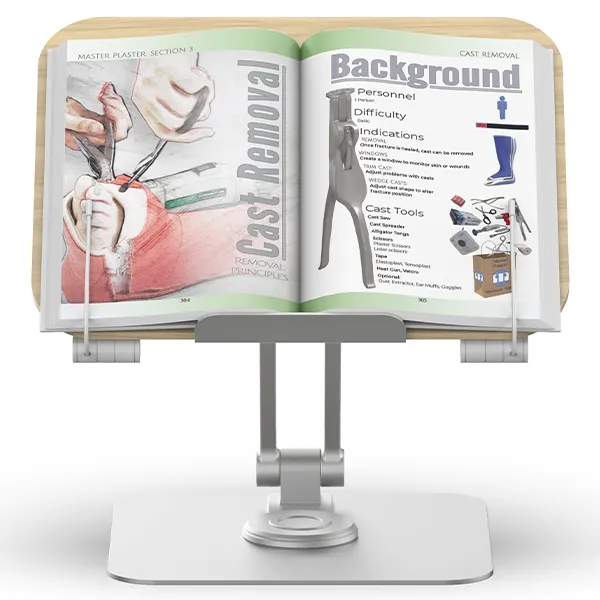
Cast Removal
Tips and Tricks
& Removable Casts
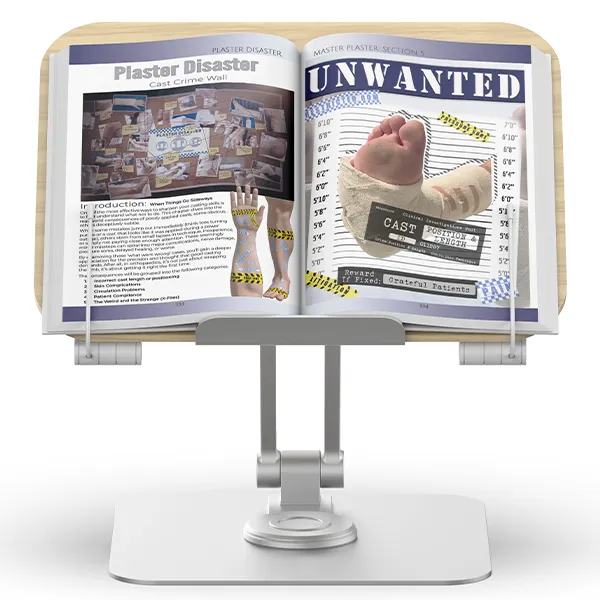
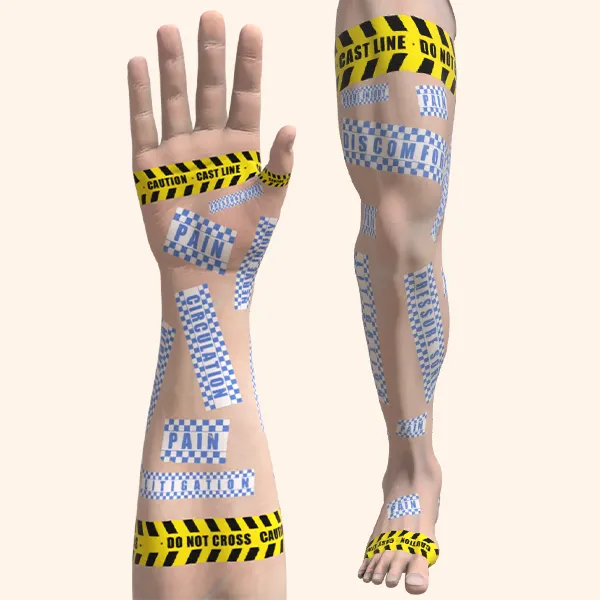
Plaster Disaster
Cast Crime Wall
What Not To Do
Enhance
Become a local hero
Enhance your skills while sharing your knowledge to your colleagues. Create a Plaster Club and put into practice all the lessons learnt from the training.
Be The Local Hero
For Your Patients Sake
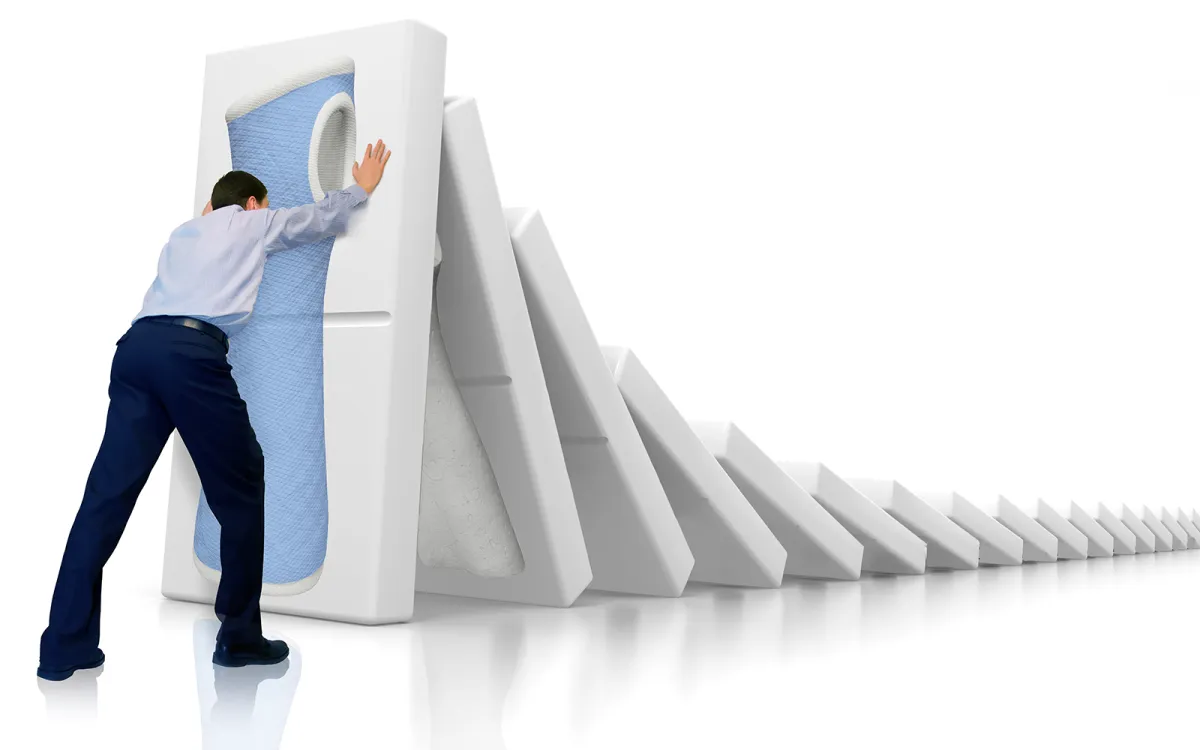
Improve With Your First Cast
Then watch the domino effect as all your casting improves.
Then lift your colleagues. Be part of the ripple effect
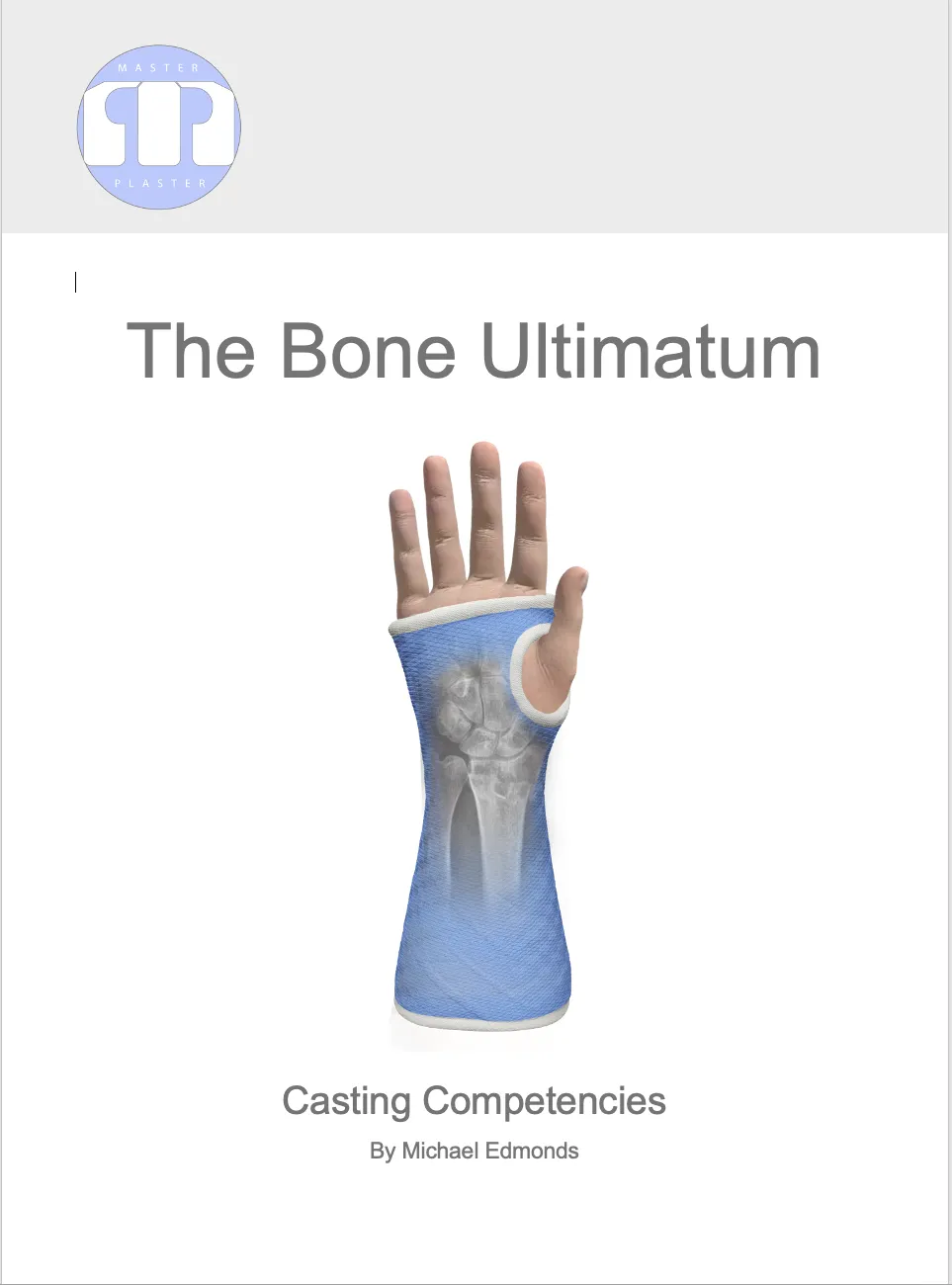
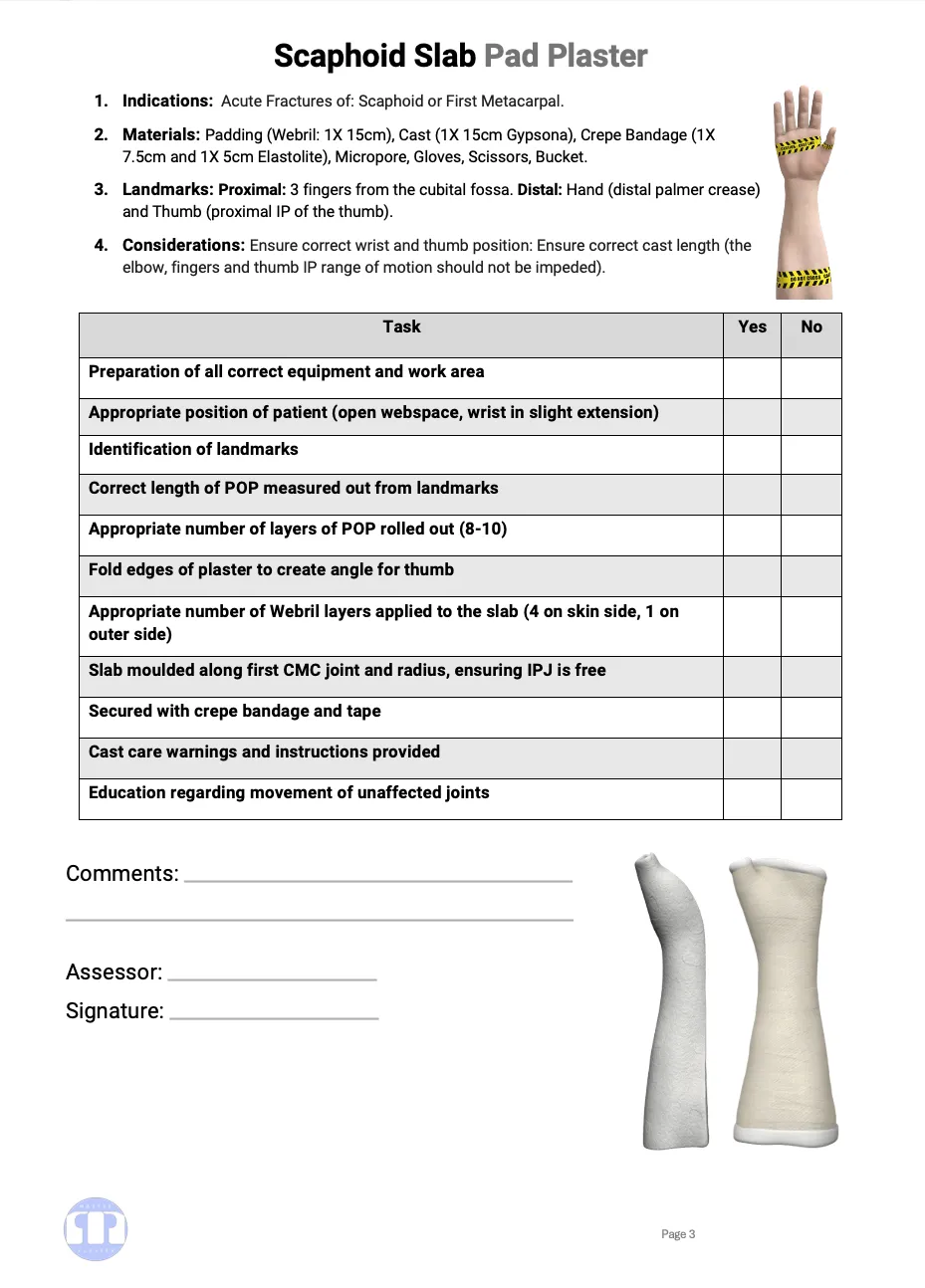
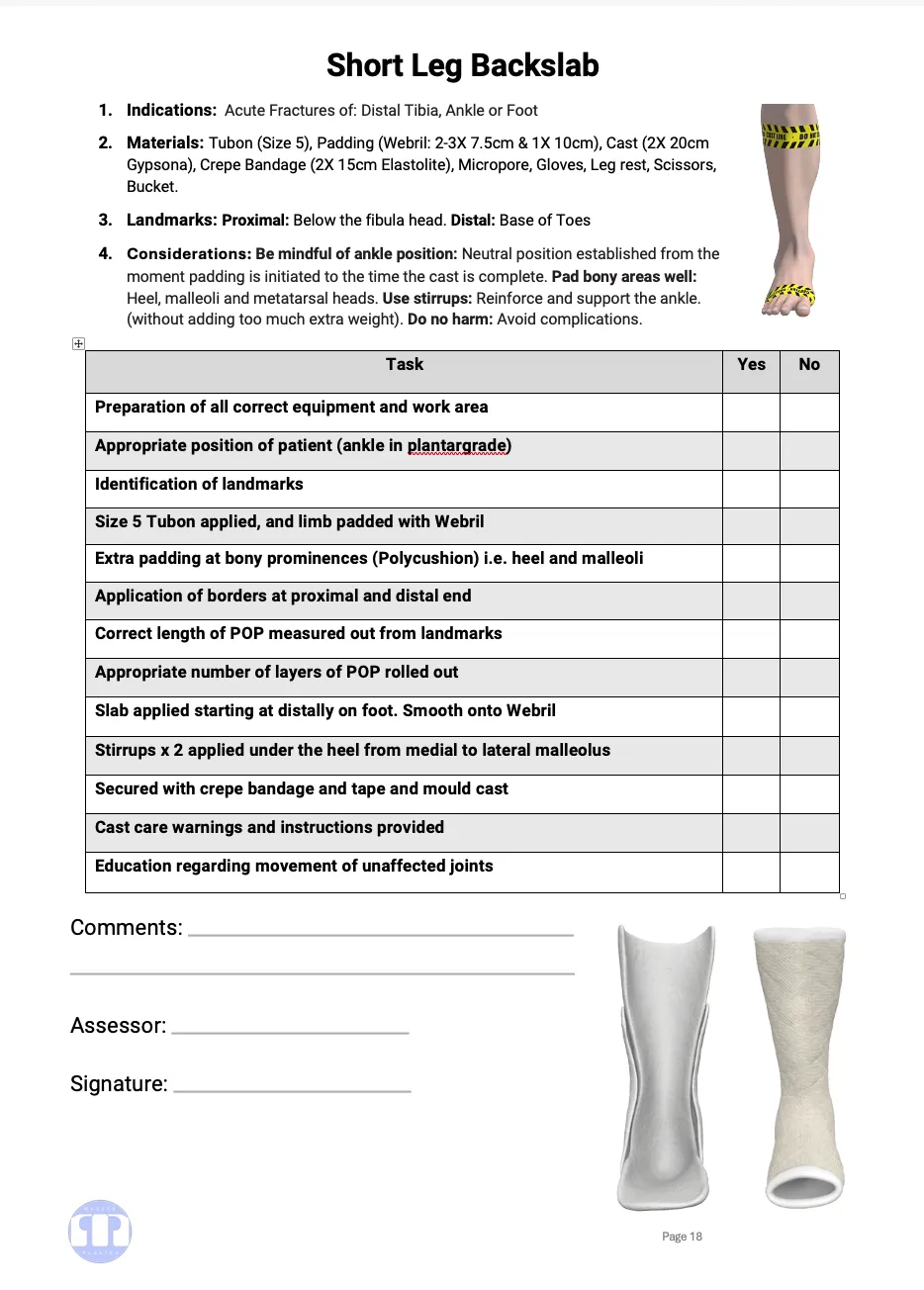
Cast Competencies
Includes: 24 individual Competency Checklists
Get Your Colleagues Up To Speed
Be the 'EXPERT' in your Department
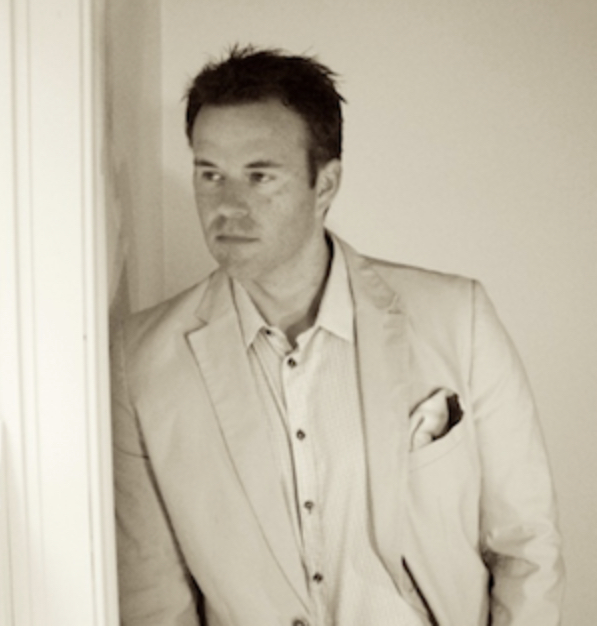
Michael Edmonds
Cast Guide
With over 30 years of orthopaedic experience, Michael has worked across Orthopaedic, teaching hospitals, and specialist clinics. His passion for education has led to the development of structured training programs that simplify complex techniques and ensure the next generation of clinicians are confident in casting practice.
Disclaimer
The casts in the video series are examples of how casts can be applied. They are not prescriptive, and the correct option needs to be implemented according the clinical circumstances at hand.
Support
Strength in Community
Join a vibrant and supportive community of clinicians who share your passion for excellence and mindful patient care. Our casting community fosters, knowledge, connection and growth.


Reach Out
Connect With Us Today
The Art and Science of Casting
A professional education platform for clinicians and educators in fracture management.
Subscribe for latest News & Events
Copyright 2025 - Michael Edmonds.Edmonds - All Rights Reserved.